
Pre-Kindergarten
In a typical classroom day, toddlers and preschoolers learn through a variety of experiences, including short whole-group and small-group lessons, choice time with diverse materials, outdoor play, rest or nap time, and meal and snack routines.
These experiences support children’s overall development and prepare them for future success by building key skills in social and emotional development, learning and problem-solving, early reading and writing, early math concepts, and physical strength and coordination.
- Early social and emotional skills, such as sharing, solving social problems, and expressing and managing their feelings
- Learning skills such as problem solving, imaginative thinking, and persistence
- Pre-reading and writing skills, such as understanding that letters have meaning and can be combined to form words, and that reading and writing can be used to share information and ideas
- Early math skills, such as learning about numbers, shapes, sorting and patterns
- Physical strength and coordination skills, such as running and being able to use paint brushes and crayons
Learning @ Home - Early Elementary
Reading & Literacy
- Read Aloud Daily: Make reading a fun ritual, pointing to words and emphasizing letter sounds.
Ask questions about the story, predict what happens next, and act out characters.
- Word Games: Play "I Spy" for beginning letters or create rhyming word lists (bat, cat, hat).
- Writing Practice: Encourage writing stories, cards, or making signs for household items.
Math & Logic
- Kitchen Math: Involve them in cooking to practice measuring, counting, and following directions.
- Counting Games: Count steps, cars, or items during chores like sorting laundry.
- Board Games: Play simple board games to build strategic thinking.
Science & Exploration
- Bake Together: Cooking involves measuring, sequencing, and following instructions.
- Nature walks to observe nature, collect items, and ask questions
- Simple Experiments: Try easy science projects or make bird feeders.(Homedepot)
Creative & Motor Skills
- Art Projects: Provide plenty of paper, crayons, and paints for self-expression and fine motor practice.
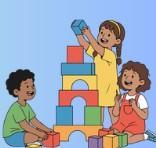
- Building: Use blocks or LEGOs to build structures, encouraging planning and problem-solving.
Movement Breaks
- Do jumping jacks or dance to math facts or sight words.
- Dance Party
General Tips
- Create a Routine: Establish a structured day with short (15-25 min) focused activity blocks.
- Talk About Everything: Discuss your day, school, and new experiences to build vocabulary and critical thinking.
- Minimize Distractions: Set up a quiet space for focused tasks.
- Use Play: Turn chores into games (folding laundry together, setting the table)
- Limit Screen Time